随着基于 Netty 的非阻塞 NIO 模型以及 Project Reactor 等响应式编程生态的发展,Spring 5 推出了 Spring WebFlux 作为传统 Servlet 模型的补充,Spring Cloud 也随之推出了第二代网关 Spring Cloud Gateway 来替代基于 Servlet 模型的 Zuul。
为什么引入 WebFlux 与 Gateway
Spring WebFlux 的定位与代价
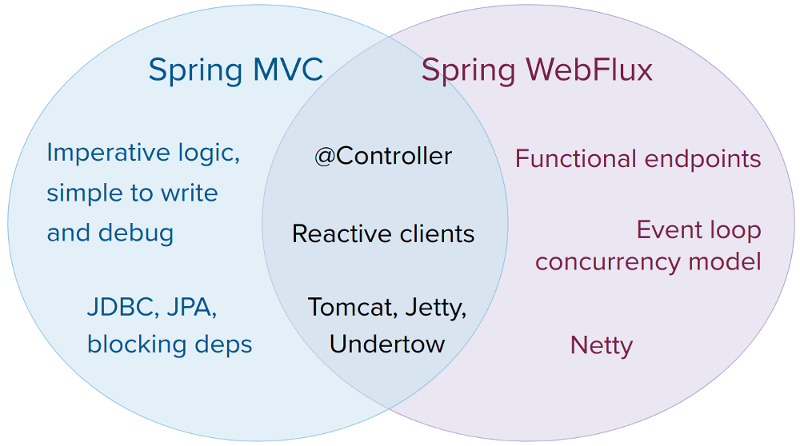
相比 Spring MVC,Spring WebFlux 的优势在于:
- 非阻塞模型:用更少的工作线程支撑更高的并发连接数;
- 声明式/函数式模型:基于 Reactor
Mono/Flux编排异步流。
但响应式编程并非“让单次请求变快”,它的收益是高并发与高延迟场景下的线程资源利用率,同时伴随着明显代价:
- 开发、断点调试与问题排查门槛明显上升;
- 一旦链路中混入阻塞式 API,吞吐量反而可能低于 Spring MVC。
因此,99% 的常规 CRUD 业务依然更适合简洁易维护的 Spring MVC;而 Gateway 这类天然 I/O 密集的代理层,正是 WebFlux 最能发挥价值的场景。
Spring Cloud Gateway vs Zuul
两者在抽象上都借助 HandlerMapping 接入流量并经由 FilterChain 处理后转发:
- Zuul 1.x:基于 Servlet + Hystrix 线程池,实测当单接口延迟 10ms 左右时,达到 3000 QPS 后靠堆线程数已很难继续提升吞吐;
- Gateway:直接运行在 Netty + Project Reactor 之上,并发承载力不再受限于“一请求一线程”,同等资源下吞吐通常明显优于传统 Servlet 网关。
不过 Gateway 定位更接近 Nginx 体系中的 OpenResty(提供核心引擎),距离企业级网关(类似 Kong)仍需自行补齐动态配置、权限与监控中心。
Spring WebFlux 与 Spring MVC 核心对比
| 对比维度 | Spring MVC | Spring WebFlux |
|---|---|---|
| 底层容器与抽象 | Servlet 容器(HttpServletRequest / DispatcherServlet) | Netty / Servlet 3.1+(ServerWebExchange / DispatcherHandler) |
| 处理模型 | HandlerMapping → HandlerAdapter → FilterChain | 保留注解驱动的同时新增函数式路由,基于适配器统一调度 |
| 编程范式 | 命令式同步阻塞 | 基于 Project Reactor 的异步非阻塞响应式流 |
Spring MVC 调度主线(DispatcherServlet#doDispatch)
| |
Spring WebFlux 调度主线(DispatcherHandler#handle)
| |
可以看到 WebFlux 运行时拆成了两个阶段:先声明式组装整条执行链,再在订阅触发时流式执行。这也是传统断点调试难以同时观察“链路结构”与“运行时数据”的根本原因。
Spring Cloud Gateway Core 结构
从核心包结构即可直观看出 Gateway 与 Spring 生态的集成方式:
| |
其中转发层的 WebClient 路由分为两条路径:
- 直连 URL 转发:
WebClientHttpRoutingFilter - 基于服务发现的转发:
LoadBalancerClientFilter配合NettyRoutingFilter直接底层 Netty 转发。